The Most Accurate Buy/Sell Indicator on TradingView? Honest Answer
It's the most-searched question in trading. The honest answer isn't the one most websites sell you — and understanding why will make you a better trader today.
There is no single "most accurate" buy/sell indicator — and any tool promising one is selling you a story. Buy/sell arrows lag, can repaint, and ignore context. What actually works isn't a magic arrow at all: it's a scoring approach that weighs many factors at once and hands you a clear read, so you make the decision with evidence instead of obeying an arrow blindly.
You typed "most accurate buy/sell indicator" into a search bar. We're not going to insult you with a fake answer. Instead, we're going to explain why that question quietly costs traders money — and give you the framing the consistently profitable ones actually use. This is the most valuable thing you'll read on the topic, precisely because it isn't trying to sell you an arrow.
The myth vs. the reality
"There's one indicator with a secret formula that prints green BUY and red SELL arrows, and if I find it, I'll win."
Markets are probabilistic. No fixed rule wins forever. Edge comes from weighing many factors and managing risk — not from obeying an arrow.
"A high win-rate signal means it's accurate and safe."
A 90% win-rate that loses big on the 10% can still blow up an account. Accuracy without risk context is meaningless.
Why buy/sell arrows let traders down
They lag
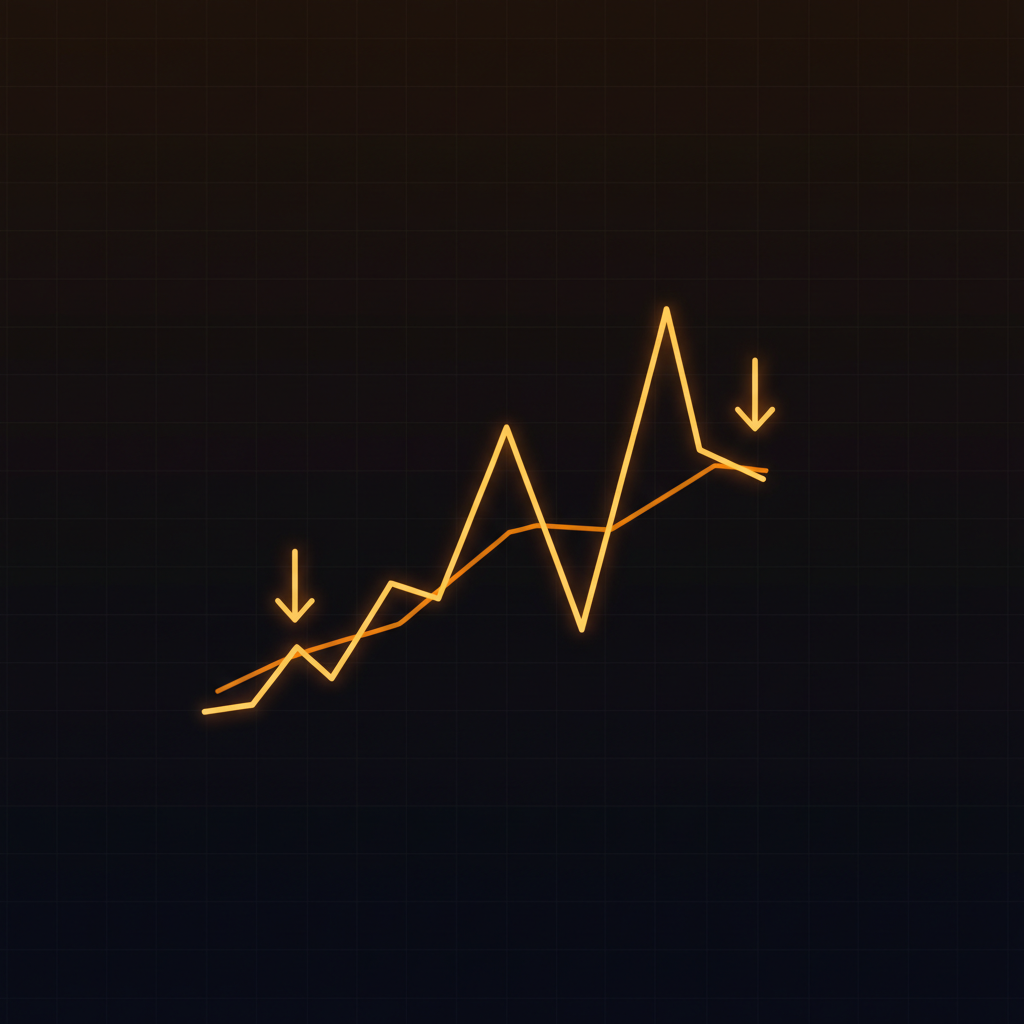
Most arrows fire after a move is confirmed — which is often after the easy money is gone. By the time the arrow prints, you're entering where smarter money is taking profit.
Some repaint
A repainting indicator changes its past signals as new bars form. The backtest looks flawless because the arrows moved to where they'd have been right. Live, it's a different story.
They ignore context
An arrow that's great in a trend gets shredded in a range. A single rule can't know whether the macro backdrop, trend, and momentum agree — so it fires anyway.
They remove your judgment
The moment you outsource the decision to an arrow, you stop learning to read the chart. When it fails — and it will — you have nothing to fall back on.
What actually works: score the chart, then decide
Here's the shift that separates consistent traders from arrow-chasers: instead of asking "what does my indicator tell me to do?", they ask "how much evidence is there, right now, for this idea?" That's a fundamentally different — and more honest — question. It treats trading as weighing probabilities, not following orders.
A good approach gathers many independent factors — trend, momentum, volume, volatility, structure, relative strength — and combines them into one read of how aligned everything is. When most factors agree, the setup is stronger. When they conflict, it's weak. You still pull the trigger. The tool just does the heavy math so your decision is informed instead of impulsive.
A Score, not an arrow
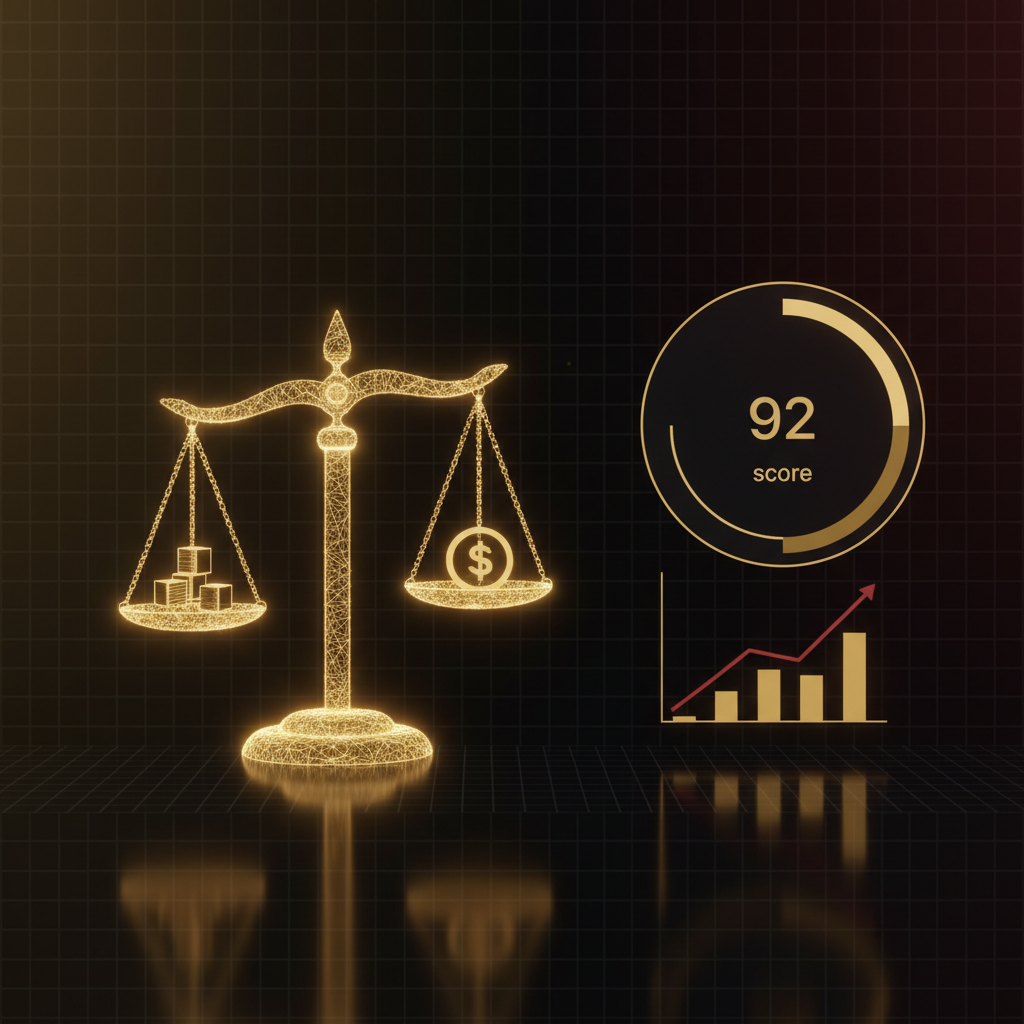
This is exactly how the Algoat.TV suite is built. The G.O.A.T. Toolkit evaluates 250+ technical-analysis evidence points on every bar across 8 scoring engines — trend, momentum, RSI, volume, volatility, Smart Money structure and more — and compresses all of it into a single 0–100 Score.
It deliberately does not tell you to buy or sell. It never gives you a signal to obey. It gives you an unbiased, math-based read of how much the evidence agrees — and then you decide. That's the line we won't cross, because the trader who stays in the driver's seat is the one who survives. If you want a second opinion on what the Score is saying, the AI Quant co-pilot (Powered by Anthropic Claude) will read a screenshot of your chart and walk you through it — in any language.
4 traps to avoid when shopping for "accurate" indicators
Believing win-rate screenshots. Win-rate without average win vs. average loss is a vanity number. Ask about risk, not just hits.
Trusting non-repaint claims blindly. Verify it yourself on replay. If signals shift after the bar closes, walk away.
Buying "secret" closed-source formulas. If you can't understand why it fires, you can't trust it when it matters.
Outsourcing your decision entirely. The best tools inform your judgment. They never replace it. Stay in the seat.
Frequently asked questions
QWhat is the most accurate buy/sell indicator on TradingView?
Honestly, none — no indicator is reliably "accurate" on its own, because markets are probabilistic and any single rule eventually fails. The most useful tools don't give buy/sell commands at all; they score the chart across many factors so you can judge the strength of a setup and decide for yourself.
QWhy shouldn't I just follow buy/sell signals?
Because signals lag, some repaint, and none of them understand context — they fire the same way in a trend and a range. Following them blindly also stops you learning to read charts, so you're helpless when they fail. They're best used as one input, not as orders.
QWhat does a 0-100 trading score actually measure?
Algoat.TV's 0–100 Score measures how much the evidence agrees that a setup is strong — combining 250+ technical-analysis readings across trend, momentum, volume, volatility and Smart Money structure into one number. A higher score means more factors align; it's a read, not a recommendation.
QDoes a high win-rate mean an indicator is good?
Not necessarily. A high win-rate can hide catastrophic occasional losses. What matters is the relationship between your average win and average loss, plus consistent risk management. Judge tools on the whole picture, not a win-rate screenshot.
QHow is a score different from a buy/sell signal?
A buy/sell signal is a command: it tells you to act. A score is information: it tells you how strong the evidence is and leaves the decision to you. The first removes your judgment; the second sharpens it. Keeping the trader in control is the whole point.
Stop chasing arrows. Start reading evidence.
One honest 0-100 read from 250+ data points — no signals, you decide. Free for 7 days.
🚀 Start Your 7-Day Free TrialDisclaimer: This article is educational and not financial advice. Algoat.TV indicators are quantitative analysis tools — they do not provide trade signals, recommendations, or guaranteed outcomes. Trading involves risk of loss. Always do your own research and trade your own plan.